Prevent Winter Condensation and Mold, Starting in Autumn
Before the droplets on your windows turn into mold on the walls. Why condensation forms and what to prepare in autumn.
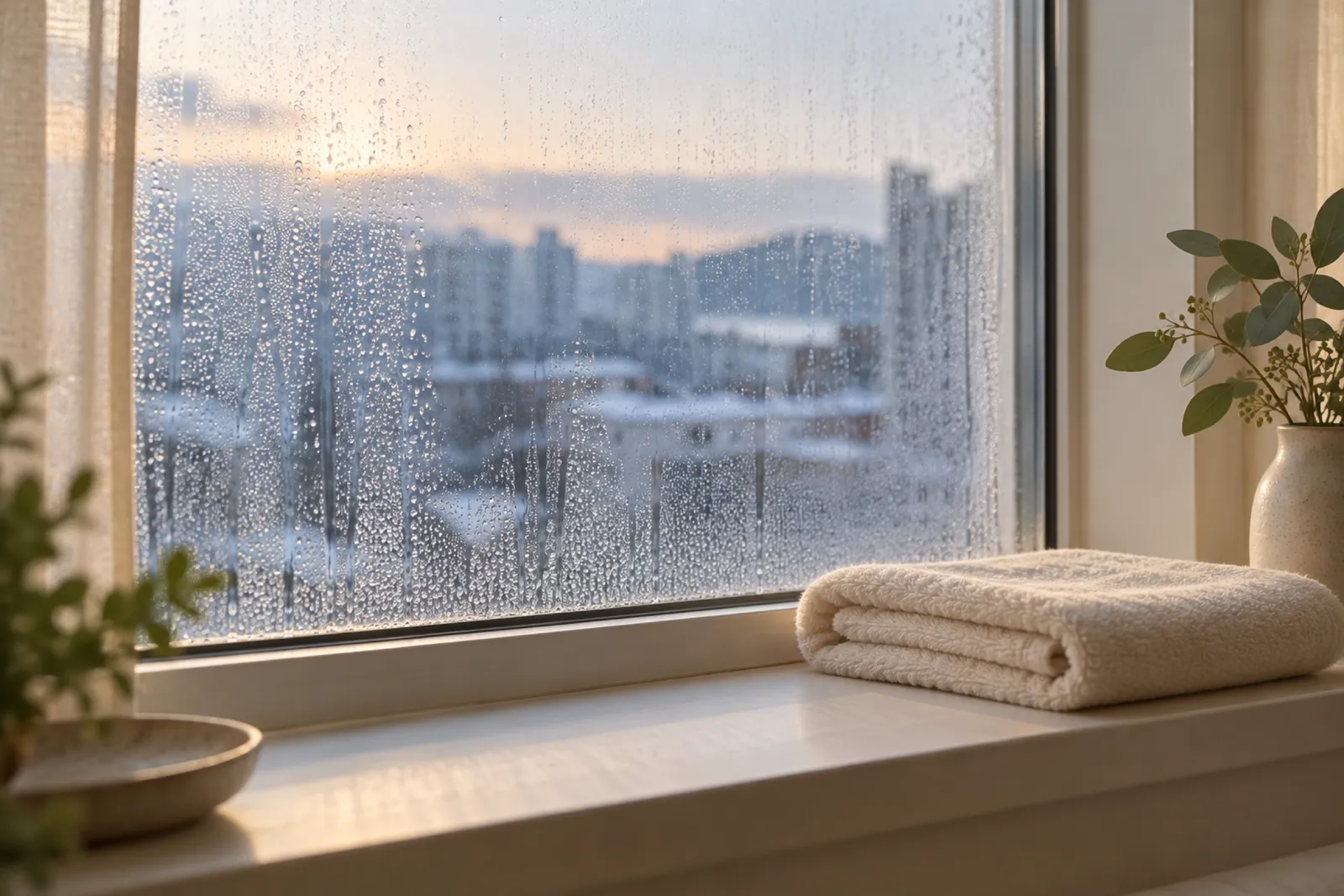
Have you ever found a pool of water under your window on a winter morning? When that water creeps along the window seal and into the corners of the wallpaper, by spring it has turned into black mold. Condensation happens in the depths of winter, but the prevention starts in autumn.
Why condensation forms
Warm air can hold more water vapor than cold air. When warm, humid indoor air touches cold glass or an exterior wall and cools, the vapor it held turns into droplets. It is the same thing that happens on the outside of a glass of iced water.
So there are two ways to reduce condensation: lower indoor humidity, or make the cold surfaces less cold.
What to do in autumn
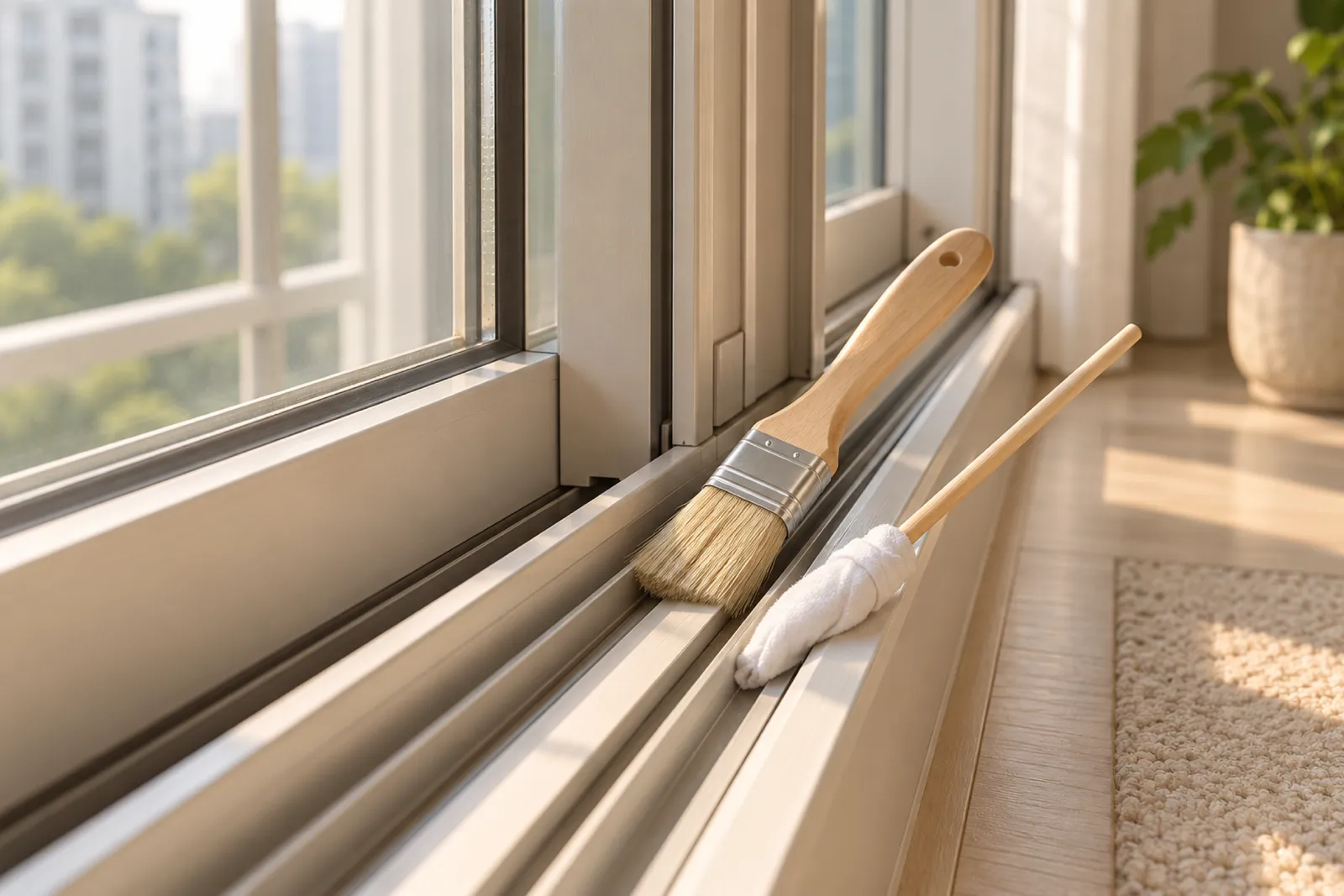
1. Clean window sills and tracks Dust in window tracks soaks up condensation and feeds mold. Clean them before you close the windows for winter with how to clean window tracks.
2. Move furniture away from walls Behind wardrobes, headboards and bookcases on exterior walls, air cannot move, so mold appears there first. Leave 5–10 cm (2–4 in) of space to let air circulate.
3. Get anti-condensation products ready Insulating window film (bubble wrap for windows) and absorbent strips along the bottom of the frame both help. Film raises the glass temperature and reduces condensation itself; strips catch the water that runs down.
4. Put moisture absorbers in closets and cabinets Closed storage spaces trap moisture. Add absorbers and replace them as soon as they fill.
Winter habits
- Air rooms 2–3 times a day for 10 minutes with cross ventilation. Short, strong airing does not cool the walls, which helps prevent condensation.
- Keep indoor humidity at 40–60%. A hygrometer tells you when to use the humidifier.
- Ventilate right after cooking and showering. That is when the most vapor is produced; run the hood and exhaust fan.
- Dry laundry in one room only. If you dry indoors, close the door and run a dehumidifier or open a window slightly.
- Wipe the windows each morning. Simply drying the droplets with a towel greatly reduces mold on frames.
If mold has already appeared
Mold on window caulk can be removed the same way as black mold on bathroom silicone. Mold on wallpaper often remains underneath even after wiping the surface. If it has spread widely, removing the wallpaper, disinfecting and drying the wall, then re-papering is the real fix.