How to Choose a Mold Remover — Gel vs Spray
The right form depends on where the mold is. Gel for caulk lines and spray for wide walls is the basic rule.
* This page contains affiliate links. We may earn a small commission at no extra cost to you.
Bathroom mold does not scrub off easily, because it roots into caulk and grout. So when choosing a mold remover, how long it stays in contact matters more than how strong it is.
1. Ingredient: mostly chlorine
Most bathroom mold removers contain sodium hypochlorite (chlorine), the same family as household bleach. It breaks down mold pigment and disinfects powerfully, but it smells strong and releases toxic gas when mixed with acidic cleaners. Check the label for “contains chlorine” and “do not mix.”
2. Form: gel vs spray
| Gel | Spray | |
|---|---|---|
| Pros | Does not run; stays in contact | Covers large areas fast |
| Cons | Slow for large areas | Runs on vertical surfaces; fumes spread |
| Best for | Caulk lines, grout | Tile walls, ceiling corners, shower enclosures |
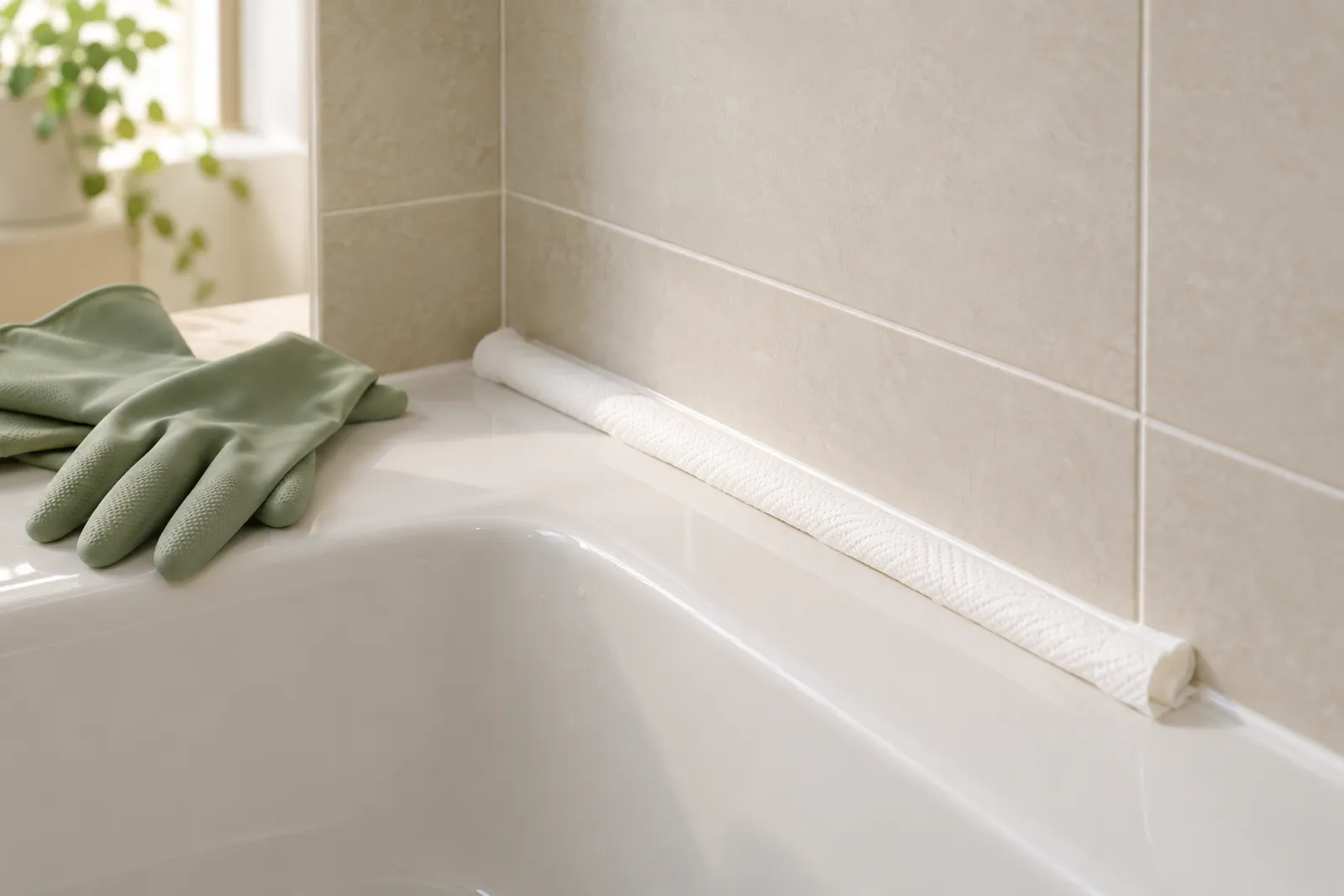
If you buy just one, choose a gel. Most bathroom mold problems are on sink and bathtub caulk lines. If you choose a spray, foaming versions stay longer on vertical walls.
3. Use it safely
- Ventilate first. Open the door and turn on the fan before you start.
- Gloves and mask. Protect your skin and lungs.
- No acids on the same day. Use citric acid, vinegar or acidic toilet cleaners on a different day.
- Move colored items. Splashes bleach bath mats and towels.
Step-by-step instructions are in removing black mold from bathroom silicone and cleaning bathroom tile grout.
Our picks
- 01
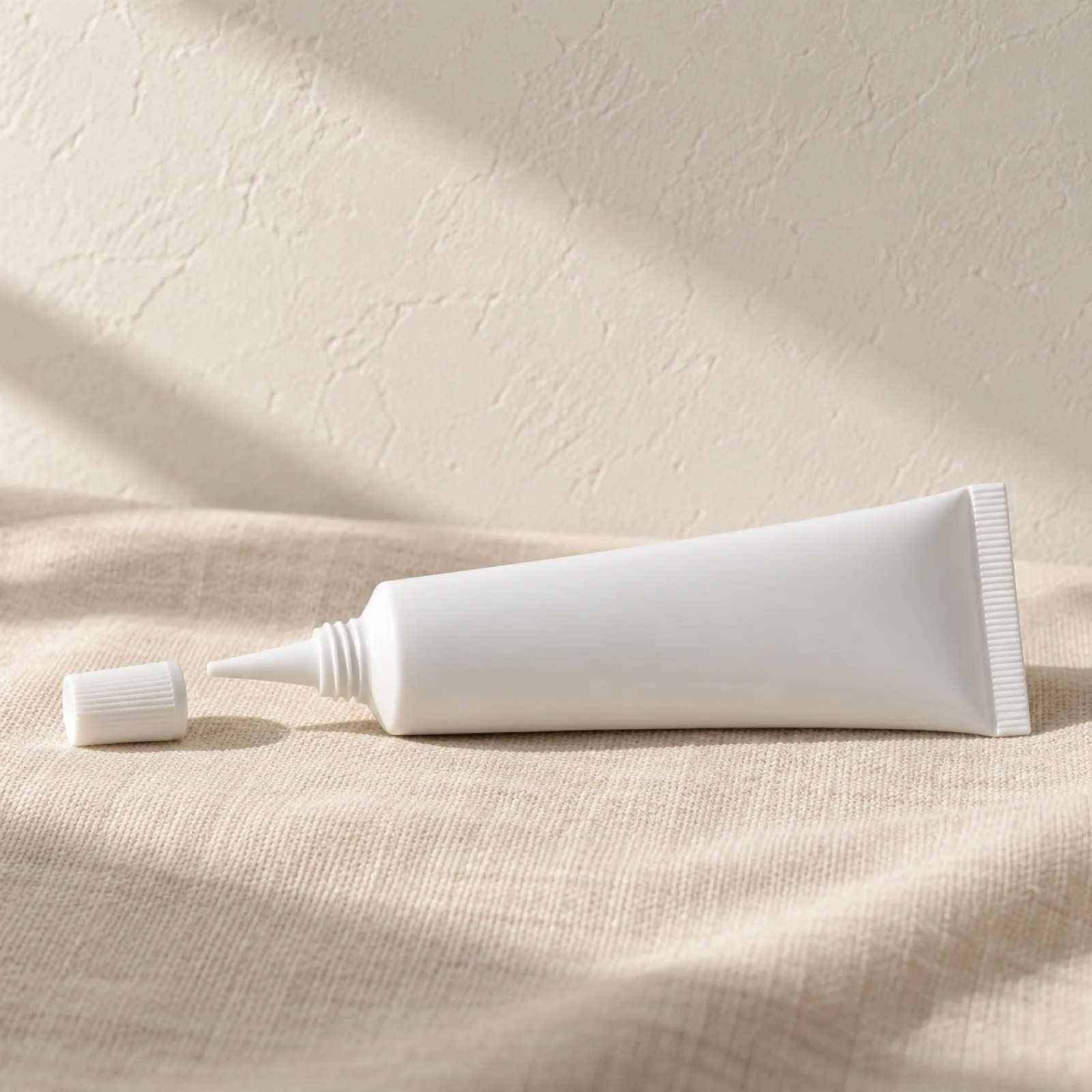
Gel Mold Remover
Stays on caulk lines without running and soaks into the mold. The most effective option for sink and bathtub silicone.
- 02
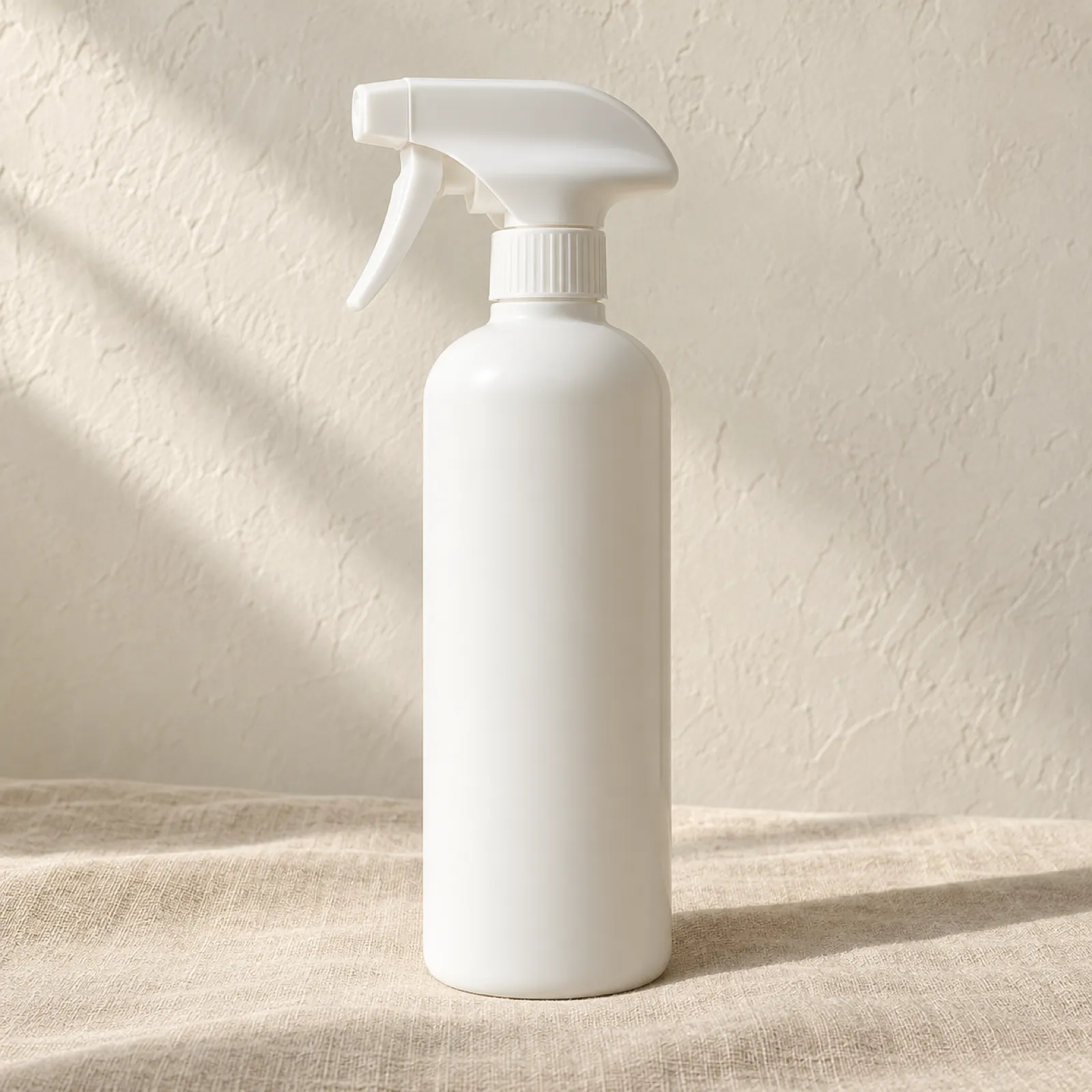
Spray Mold Remover
Covers wide tile walls and ceiling corners quickly. Foaming versions cling longer to vertical walls.
- 03
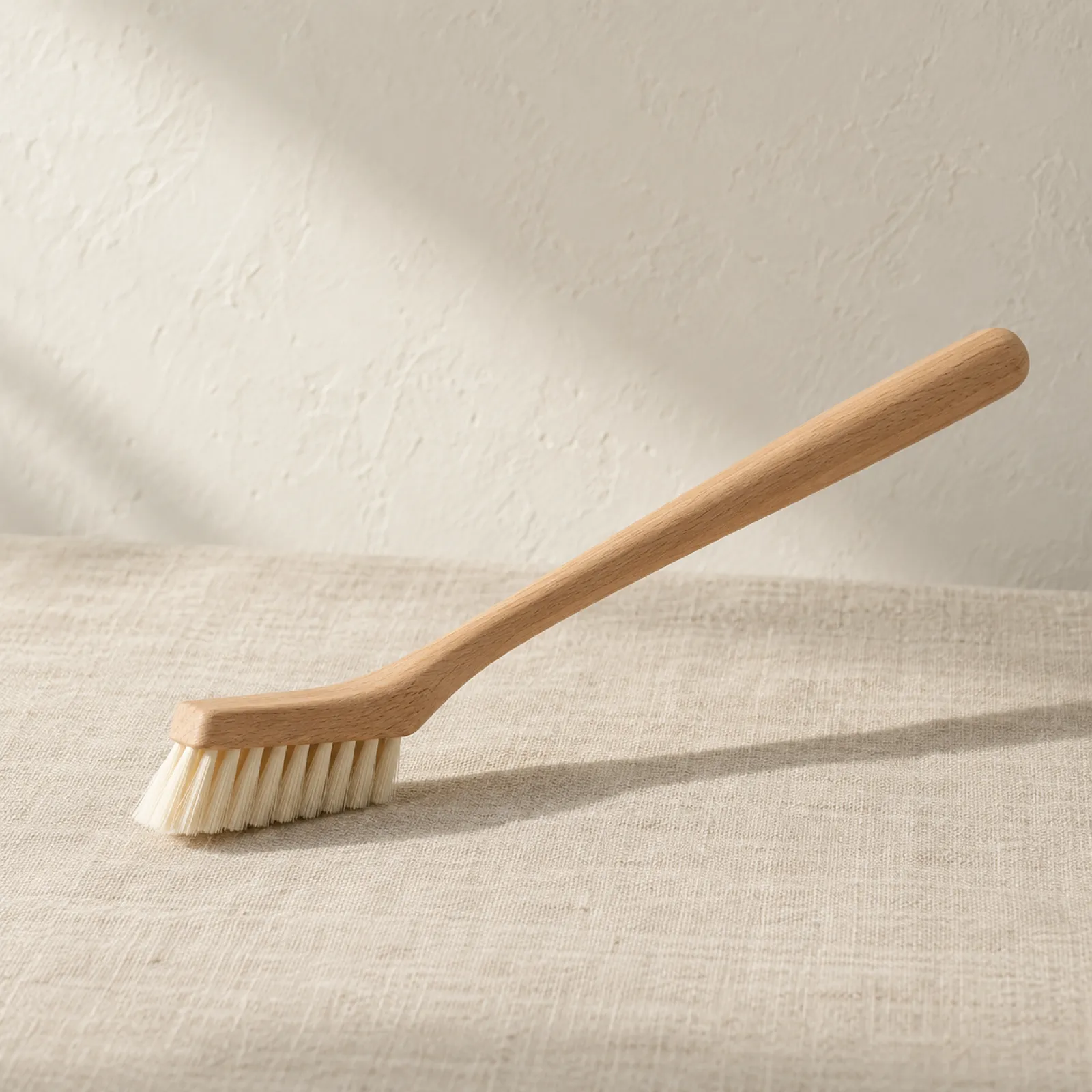
Grout Brush
For scrubbing residue out of grout after the remover has done its work. Narrow, stiff bristles that fit grout lines.
- 04
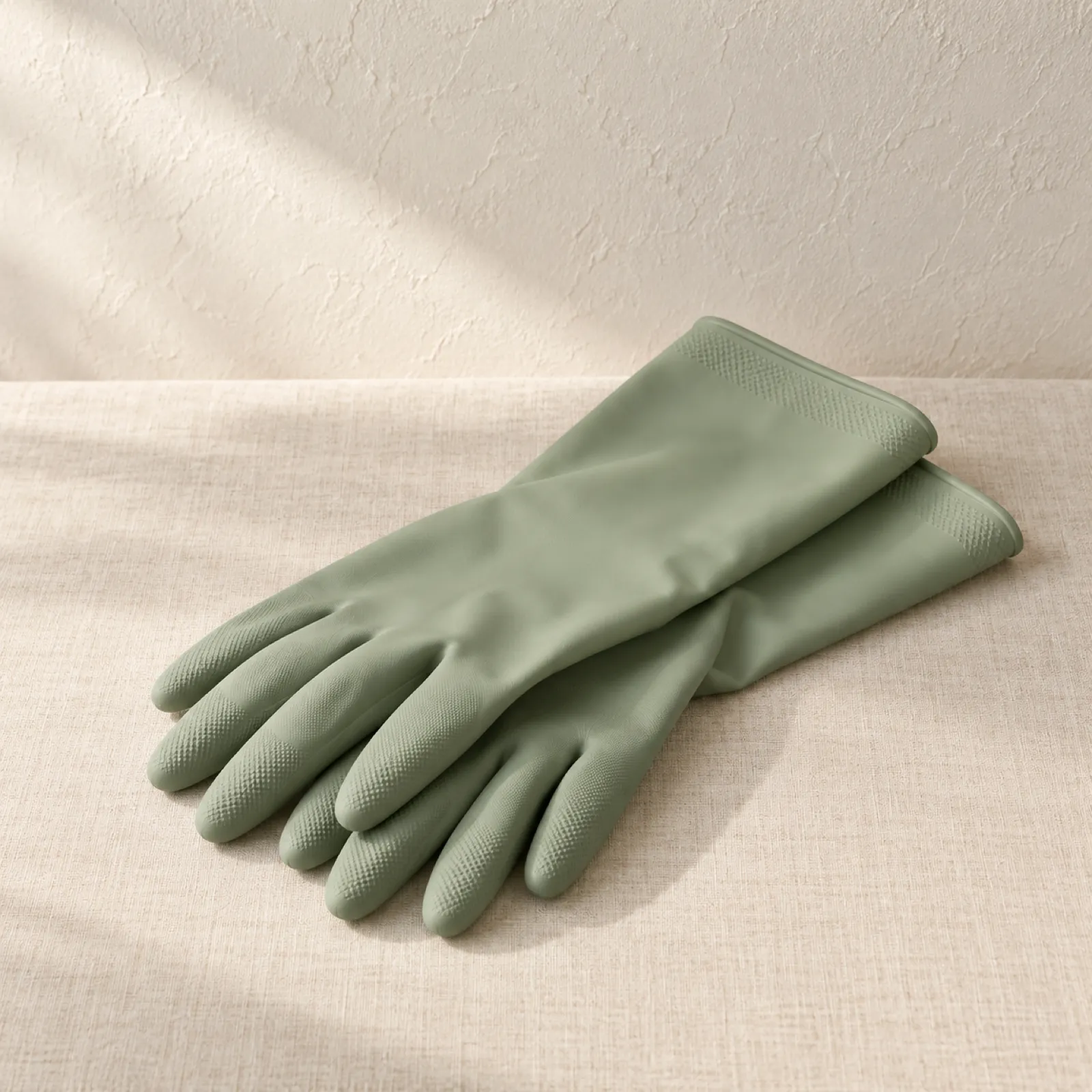
Long Cuff Rubber Gloves
Chlorine removers irritate skin. Elbow-length gloves protect you from splashes too.
* This page contains affiliate links. We may earn a small commission at no extra cost to you.